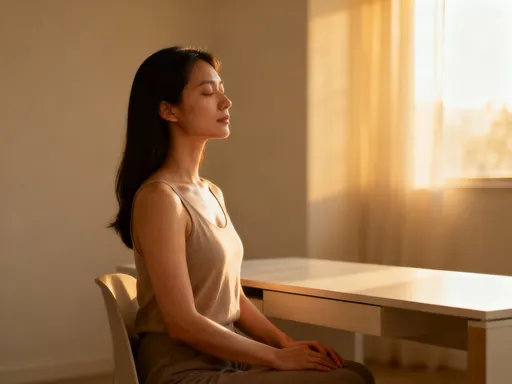
For years, I chased quick fixes—pills, intense workouts, trendy diets—but my body kept sending warning signs. Then I slowed down and tried something different: combining acupuncture and massage as part of a real health routine. It wasn’t magic, but it was effective. This is about how I learned to listen to my body, meet actual health standards, and make lasting changes—no hype, just honesty. What began as a response to persistent fatigue and muscle tension evolved into a deeper understanding of balance, self-awareness, and sustainable wellness. This isn’t a story of overnight transformation, but of gradual, meaningful shifts that redefined what health truly means.
The Wake-Up Call: When Pain Became Impossible to Ignore
It started subtly—tight shoulders after long days at the desk, a low hum of fatigue that never quite lifted. At first, these signs were easy to dismiss. Life was busy, responsibilities piled up, and rest felt like a luxury I couldn’t afford. I told myself that discomfort was just part of getting older, a normal trade-off for being productive. But over time, the mild aches deepened into chronic stiffness, and the fatigue turned into a constant drain on my energy. Simple tasks like climbing stairs or carrying groceries began to feel heavier. Headaches became frequent, and sleep—once reliable—grew restless and incomplete.
The turning point came one morning when I could barely turn my head without sharp pain radiating from my neck down to my shoulder. I had ignored the early signals for so long that my body had reached a breaking point. That day, I realized I wasn’t just tired; I was out of balance. My approach to health had been reactive, not preventive. I waited for symptoms to escalate before addressing them, often resorting to over-the-counter pain relievers or skipping rest altogether. This pattern wasn’t sustainable, and more importantly, it wasn’t aligned with basic health standards that emphasize prevention, awareness, and consistent care.
Accepting that change was necessary didn’t happen overnight. It required letting go of the belief that pushing through pain was a sign of strength. Instead, I began to see self-care not as indulgence, but as a fundamental responsibility. The shift from avoidance to proactive attention marked the beginning of a new relationship with my body—one rooted in respect rather than resistance. I started researching holistic approaches that addressed the root causes of my discomfort, not just the symptoms. That’s when I first encountered acupuncture and therapeutic massage, not as alternative trends, but as time-tested practices with real potential to restore equilibrium.
What Acupuncture Actually Is (And What It’s Not)
When most people hear “acupuncture,” images of ancient Eastern mysticism or dramatic needle sessions may come to mind. But in reality, acupuncture is a structured practice grounded in physiological principles, not superstition. It involves the insertion of very thin, sterile needles into specific points on the body—points that research suggests correspond to neural pathways and connective tissue networks. These points are not arbitrary; they are part of a system studied and refined over thousands of years, now supported by modern understandings of the nervous system and pain modulation.
One of the most important things to understand is that acupuncture is not a miracle cure. It doesn’t promise instant relief or eliminate the need for medical evaluation. What it does offer is a way to help the body regulate itself more effectively. For example, stimulating certain points has been shown to trigger the release of endorphins—natural pain-relieving chemicals—and to influence the autonomic nervous system, which controls functions like heart rate, digestion, and stress response. This means acupuncture can play a meaningful role in managing chronic pain, reducing anxiety, and improving sleep quality, all of which are key components of holistic health.
Another common misconception is that acupuncture is painful. In truth, most people report little to no discomfort during treatment. The needles are significantly thinner than those used for injections—so fine that many feel only a slight pressure or tingling sensation. Sessions typically last between 20 and 45 minutes, during which patients rest quietly, often experiencing a deep sense of calm. This state of relaxation is not incidental; it’s a physiological shift that allows the body to move out of constant “fight-or-flight” mode and into a restorative state.
It’s also important to recognize that acupuncture works best as part of a broader health strategy. It supports the body’s natural healing processes but doesn’t replace necessary medical interventions. For instance, someone with persistent back pain should still consult a healthcare provider to rule out structural issues, but acupuncture may be a valuable complementary tool in managing discomfort and improving mobility. By aligning with the body’s innate regulatory systems, acupuncture helps meet a fundamental health standard: maintaining homeostasis, or internal balance, which is essential for long-term well-being.
How Massage Became More Than Just Relaxation
Massage is often associated with spas, vacations, or occasional treats—a way to unwind after a stressful week. But for many, redefining massage as a regular part of health maintenance has been transformative. Far from being a luxury, therapeutic massage plays a critical role in physical recovery, circulation, and muscle health. When used consistently, it becomes a proactive tool for preventing injury, reducing tension, and supporting overall bodily function.
One of the primary benefits of massage is its ability to improve blood flow. Enhanced circulation means more oxygen and nutrients are delivered to muscles and tissues, which aids in recovery and reduces inflammation. This is especially valuable for individuals with sedentary lifestyles or those who spend long hours in static positions, such as sitting at a desk. Poor circulation can contribute to stiffness, swelling, and delayed healing—issues that regular massage can help mitigate. Additionally, massage stimulates the lymphatic system, which helps remove waste products and supports immune function.
Different techniques serve different needs, though the goal remains consistent: to release physical tension and restore movement. Deep tissue massage, for example, targets deeper layers of muscle and connective tissue, making it effective for chronic tightness or areas of long-standing discomfort. Myofascial release focuses on the fascia—the connective tissue surrounding muscles—which can become restricted due to injury, stress, or repetitive motion. Trigger point therapy addresses specific knots or hyperirritable spots in muscles that refer pain to other areas. While each approach has its strengths, the choice of technique should be guided by individual needs and professional assessment, not trends or marketing.
What many don’t realize is that massage also has a neurological impact. Touch activates the parasympathetic nervous system, the same system responsible for rest and digestion. This helps lower cortisol levels, reduce heart rate, and promote mental clarity. For someone dealing with chronic stress or anxiety, this physiological shift can be just as important as the physical relief. Over time, regular sessions can help reset the body’s stress response, making it easier to stay calm and focused in daily life. When combined with mindful breathing or gentle stretching, massage becomes more than a treatment—it becomes a practice of presence and self-attunement.
Why Combining Both Made the Difference
Individually, acupuncture and massage offer distinct benefits, but their true power emerges when used together. Think of it as a dual approach: acupuncture works on the internal signaling system—the nerves, hormones, and regulatory functions—while massage addresses the physical structure—the muscles, fascia, and circulation. Together, they create a feedback loop that supports both mental and physical recovery.
For me, the synergy became clear after just a few weeks of alternating sessions. Acupuncture helped quiet the constant background noise of stress and tension in my nervous system, making it easier to relax even outside of treatment. Massage, in turn, released the deep-seated muscle tightness that no amount of stretching or foam rolling could fully resolve. The combination led to tangible improvements: I slept more soundly, woke with less stiffness, and noticed fewer tension headaches. My posture improved, and I had more energy throughout the day. These weren’t dramatic, overnight changes, but gradual shifts that accumulated over time.
One of the most significant changes was in my awareness of my body. Before, I was disconnected—either ignoring discomfort or reacting to it only when it became unbearable. Now, I began to notice subtle cues: a slight tightness in my shoulders, a shift in my breathing pattern, a change in my sleep quality. This heightened sensitivity wasn’t about becoming hyper-vigilant, but about developing a more responsive relationship with my health. I could adjust my routine before minor imbalances became major issues. This proactive stance is a hallmark of sustainable wellness, one that aligns with long-term health standards rather than short-term fixes.
Consistency was key. A single session of acupuncture or massage might provide temporary relief, but lasting change required regular engagement. I started with biweekly appointments, then adjusted based on how I felt. Some months, I needed more frequent support; others, less. The goal wasn’t perfection, but rhythm—a steady practice that honored my body’s needs without becoming a burden. Over time, this routine became as natural as brushing my teeth or eating balanced meals. It wasn’t about chasing an ideal state, but about maintaining equilibrium in a life that naturally pulls in many directions.
Building a Routine That Actually Works
Creating a sustainable routine doesn’t require drastic changes or excessive time. It starts with small, intentional choices that fit into real life. For many, the challenge isn’t wanting to feel better—it’s knowing how to begin and stay consistent. The first step is setting realistic expectations. Health isn’t built in a day; it’s shaped by daily habits, even the small ones.
I began by scheduling acupuncture and massage appointments like any other important commitment—on the calendar, with reminders. At first, I aimed for one session of each every two weeks. As my body responded, I adjusted the frequency based on how I felt. Some weeks, I prioritized acupuncture when stress levels were high; other weeks, I focused on massage after particularly busy or physically demanding days. The flexibility was essential—it allowed me to respond to my body without feeling locked into a rigid plan.
Finding qualified practitioners was equally important. I looked for licensed professionals with training in their respective fields and asked questions about their experience, approach, and how they tailored treatments to individual needs. A good practitioner listens, observes, and adjusts—treating the person, not just the symptoms. I also made sure to communicate openly about my goals, concerns, and any changes I noticed between sessions. This two-way dialogue helped ensure that each session was both effective and aligned with my overall well-being.
Integrating these practices into daily life also meant paying attention to supporting habits. Hydration, gentle movement, and quality sleep all enhanced the benefits of treatment. I made a habit of drinking water after sessions to support detoxification and circulation. I incorporated short walks and stretching into my routine to maintain mobility. And I prioritized sleep hygiene—keeping a consistent bedtime, reducing screen time before bed, and creating a restful environment. These small actions amplified the effects of acupuncture and massage, creating a holistic support system that extended beyond the treatment room.
What Science Says—And Where to Stay Cautious
While personal experience is valuable, it’s important to consider what research tells us about acupuncture and massage. Numerous studies have shown that both practices can play a supportive role in managing chronic pain, particularly in the lower back, neck, and shoulders. Clinical trials have demonstrated that acupuncture can reduce the frequency and intensity of tension headaches and migraines. It has also been associated with improvements in anxiety, insomnia, and gastrointestinal discomfort, likely due to its influence on the nervous system.
Massage therapy, too, has a growing body of evidence supporting its benefits. Research indicates it can reduce cortisol levels by up to 30%, while increasing serotonin and dopamine—neurotransmitters linked to mood regulation. It has been shown to improve range of motion in people with musculoskeletal conditions and to speed recovery after physical strain. Hospitals and rehabilitation centers increasingly incorporate massage into patient care plans, particularly for those managing chronic pain or recovering from surgery.
That said, it’s crucial to maintain a balanced perspective. These therapies are not cures, nor are they appropriate for every condition. For example, someone with a blood clotting disorder or an acute injury should consult a healthcare provider before receiving massage. Acupuncture should not be used as a substitute for medical diagnosis or treatment of serious conditions like cancer, heart disease, or neurological disorders. The goal is integration, not replacement—using these tools to complement, not compete with, conventional medicine.
Another important consideration is regulation. While many practitioners are highly trained and licensed, standards vary by region. It’s wise to verify credentials and choose professionals who follow clean needle protocols and maintain proper hygiene. Open communication with primary care providers is also essential—sharing treatment plans ensures that all aspects of care are coordinated and safe. When used thoughtfully and responsibly, acupuncture and massage can be powerful allies in a comprehensive health strategy.
Long-Term Health Standards: Beyond Symptom Relief
True health goes beyond the absence of pain. It’s about resilience—the ability to adapt, recover, and thrive despite life’s challenges. It’s about balance—maintaining energy, focus, and emotional stability even during stressful times. And it’s about awareness—being in tune with your body’s signals and responding with care. This broader definition of wellness is what I’ve come to value most through my journey with acupuncture and massage.
At first, my goal was simply to feel better—to reduce pain and regain mobility. But over time, the benefits expanded into other areas of my life. I became more patient, more present, and more capable of handling daily stressors without becoming overwhelmed. My energy levels stabilized, and I found myself engaging more fully in family life, work, and hobbies. These changes weren’t the result of a single treatment, but of a consistent practice that supported my body’s natural capacity to heal and regulate.
What I’ve learned is that long-term health isn’t about achieving perfection. It’s about showing up, again and again, with intention and kindness. It’s about making choices that honor your body, even when life gets busy. Acupuncture and massage became part of that commitment—not because they fixed everything, but because they reminded me to pay attention. They taught me that care isn’t selfish; it’s necessary. And they helped me establish a standard of well-being that isn’t measured by dramatic results, but by steady, sustainable progress.
Looking back, the real change wasn’t just in how I felt—it was in how I thought about health. Acupuncture and massage didn’t fix everything overnight, but they taught me to respect my body’s signals and uphold real standards of well-being. This journey isn’t about perfection; it’s about showing up, consistently, with care. And that’s a practice worth keeping.