You know that dull, tired skin that sticks around long after an injury or surgery? I’ve been there. While healing, I noticed my complexion lost its brightness—until I discovered gentle, daily rehabilitation movements that did more than restore mobility. These simple practices boosted circulation, reduced puffiness, and brought back my skin’s natural glow. It wasn’t just about recovery—it became my skincare secret. What began as a necessity for physical healing quietly transformed into a ritual that revitalized my face, my energy, and my confidence. This is not a story of miracle creams or expensive treatments. It’s about how the body’s own systems, when gently supported, can restore radiance from within.
The Skin-Fitness Connection You’re Missing
Most people think of skincare as something applied topically—cleansers, serums, moisturizers. But what happens beneath the surface plays a far greater role in how your skin looks and feels, especially during recovery from an injury. When movement is limited due to healing, blood flow slows down. This reduced circulation means fewer nutrients reach the skin, and waste products like carbon dioxide and inflammatory byproducts linger longer. The result? A complexion that appears tired, pale, or uneven. This is not simply a cosmetic concern—it reflects the body’s internal state.
The skin, often overlooked as just a covering, is actually the body’s largest organ. It thrives on oxygen and nutrients delivered through the bloodstream. When you’re inactive—whether due to surgery, a sprain, or prolonged bed rest—the capillaries that feed your skin become less efficient. Think of them like tiny irrigation lines in a garden. If the water flow slows, the plants don’t thrive. Similarly, when circulation is impaired, skin cell turnover decreases, collagen production dips, and the natural repair cycle slows. This can lead to a buildup of dead skin cells, increased puffiness, and a lack of that healthy, rosy glow.
Inflammation from injury also plays a role. While acute inflammation is a necessary part of healing, chronic or lingering inflammation can affect skin tone and texture. It may contribute to redness, blotchiness, or even temporary hyperpigmentation. The good news is that movement—especially gentle, intentional movement—can help regulate the body’s inflammatory response. By stimulating blood flow and supporting lymphatic drainage, rehab-focused exercises do more than restore function; they create an environment where the skin can heal and renew itself.
This connection between physical recovery and skin health is often underestimated. Many women in their 30s to 55s, juggling family, work, and personal well-being, may not realize that their post-injury skincare struggles are not a failure of products, but a sign that their body needs support at a deeper level. The solution isn’t another serum—it’s reactivating the body’s natural systems through safe, accessible movement.
My Turning Point: When Skincare Stopped Working
After a minor shoulder surgery, I followed all the doctor’s orders—rest, elevation, limited use of the arm. But as the weeks passed, I noticed something unsettling: my skin looked different. It wasn’t just the fatigue from disrupted sleep or the stress of recovery. My face had lost its vitality. My cheeks seemed hollow, my under-eyes darker, and my overall tone lacked luster. I tried everything—high-end moisturizers, vitamin C serums, jade rollers, even a new facial device. Nothing made a real difference.
I remember standing in front of the mirror one morning, gently patting on yet another product, and feeling a wave of frustration. I had always taken pride in my skin, not because I追求 perfection, but because it reflected how I felt inside. Now, it felt like I was wearing a mask that didn’t match my spirit. That moment was a turning point. I realized I had been treating the symptom, not the cause. My skin wasn’t broken—it was signaling that my body was still healing, and it needed more than topical solutions.
It was during a follow-up physiotherapy session that I first made the connection. My therapist guided me through gentle neck stretches and shoulder rolls, explaining how these movements helped reduce stiffness and improve circulation. As I left the clinic, I noticed something unexpected: my face felt lighter, less puffy. My complexion looked brighter. At first, I thought it was a coincidence. But the next day, after repeating a few simple movements at home, the same effect returned. That’s when it clicked—movement wasn’t just healing my shoulder; it was revitalizing my skin.
From that point on, I shifted my focus. Instead of layering on more products, I began incorporating small, intentional movements into my daily routine. These weren’t intense workouts—just gentle motions designed to wake up my body’s circulation and support lymphatic flow. Over time, the changes became undeniable. My skin regained its glow, not because I had found a new miracle ingredient, but because I had honored my body’s natural healing rhythm.
Rehab Exercises That Double as Skin Therapy
One of the most empowering realizations during my recovery was that rehabilitation exercises, often prescribed solely for physical healing, could also serve as a form of skincare. The key lies in their ability to stimulate circulation and support lymphatic drainage—two systems that directly influence skin appearance. The best part? These exercises require no equipment, can be done at home, and take just minutes a day. They are gentle, safe, and accessible, making them ideal for anyone recovering from injury, surgery, or even prolonged inactivity.
Facial muscle engagement is one of the simplest yet most effective practices. Just as we exercise larger muscle groups, the muscles in the face benefit from gentle activation. Try this: sit comfortably, relax your jaw, and slowly raise your eyebrows as high as comfortable, then lower them. Repeat this 10 times. Next, smile widely while keeping your lips closed, feeling the lift in your cheek muscles, then release. These small movements increase blood flow to the face, helping to deliver oxygen and nutrients while reducing fluid retention. Over time, they can support firmer, more toned skin.
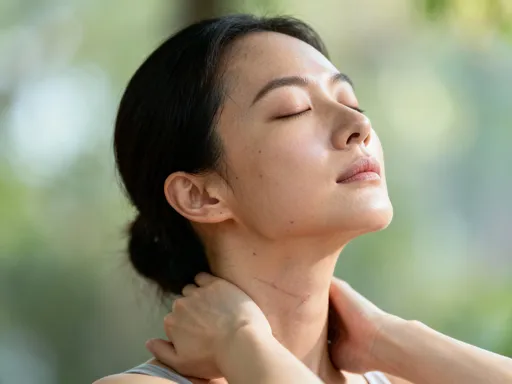
Neck stretches are another powerful tool. Gently tilt your head to the right, bringing your ear toward your shoulder, and hold for 15–20 seconds. Repeat on the left side. Then, slowly turn your head to look over one shoulder, hold, and switch sides. These movements not only relieve tension but also open up the lymphatic pathways along the neck, which are crucial for draining excess fluid from the face. Reduced facial puffiness often becomes noticeable within days of consistent practice.
Shoulder rolls and upper back mobility exercises also play a role. Roll your shoulders forward in a circular motion 10 times, then reverse the direction. This simple action improves posture, which in turn enhances breathing and circulation. When the upper body is open and aligned, blood flows more freely to the head and face. Additionally, better posture reduces the strain on facial muscles that can contribute to a tired or tense appearance.
The secret to these exercises isn’t intensity—it’s consistency. Doing them for just five minutes a day, preferably in the morning or after long periods of sitting, can yield visible results. They are not meant to replace medical rehab programs but to complement them, offering dual benefits for both body and skin.
Why Circulation Is Your Skin’s Best Friend
If skin health had a single most important ally, it would be circulation. Blood flow is the delivery system that brings oxygen and essential nutrients—like vitamins A, C, and E—to skin cells. At the same time, it carries away metabolic waste and toxins that can dull the complexion. When circulation is optimal, skin appears more vibrant, elastic, and even-toned. When it’s sluggish, the opposite occurs: the skin may look sallow, puffy, or lifeless.
Capillaries, the tiniest blood vessels in the body, form a vast network just beneath the skin’s surface. They act like a micro-irrigation system, feeding each cell with what it needs to function and renew. During periods of inactivity, these capillaries can become less efficient, reducing the rate of cellular turnover. This slowdown means dead skin cells accumulate, new collagen production declines, and the skin’s natural repair mechanisms weaken. The result is a complexion that lacks radiance and resilience.
Improved circulation helps reverse this process. When blood flow increases, so does the delivery of oxygen and nutrients. This fuels the production of new skin cells and supports the synthesis of collagen and elastin—proteins that keep skin firm and supple. Additionally, enhanced circulation helps reduce the appearance of dark circles under the eyes, which are often caused by poor blood flow and pooling of deoxygenated blood in the delicate vessels around the eyes.
Think of your skin’s circulation like a garden hose. If the water pressure is low, the plants don’t get enough water. But when the flow is strong and steady, everything thrives. Gentle rehab movements—such as facial exercises, neck stretches, and shoulder rolls—act like turning up the pressure. They don’t force the system; they encourage it to function as it was designed to. Over time, this leads to a complexion that looks healthier, more awake, and naturally glowing.
It’s important to note that this isn’t about dramatic changes overnight. Skin renewal is a slow, continuous process. But by supporting circulation through movement, you create the ideal internal environment for that process to occur. And unlike topical products, which only affect the surface, improved circulation works from the inside out—delivering benefits that are both visible and lasting.
Breathing Techniques to Enhance Skin Recovery
While movement plays a crucial role in skin health, another often-overlooked element of rehabilitation is breathing. Specifically, diaphragmatic breathing—the deep, belly-centered breaths that engage the full capacity of the lungs—can significantly enhance skin recovery. This type of breathing is commonly taught in physical therapy to improve oxygenation, reduce stress, and support healing. What many don’t realize is that it also benefits the skin.
When you breathe deeply, you increase the amount of oxygen entering your bloodstream. This oxygen is then delivered to skin cells, where it supports cellular metabolism and repair. Oxygen is essential for collagen production, which maintains skin structure and elasticity. Without adequate oxygen, collagen synthesis slows, and the skin may appear thinner or more fragile. Deep breathing ensures that skin cells receive the oxygen they need to function optimally.
Additionally, diaphragmatic breathing helps reduce oxidative stress—a condition caused by an imbalance between free radicals and antioxidants in the body. Oxidative stress accelerates skin aging, contributing to fine lines, wrinkles, and uneven tone. By calming the nervous system and improving oxygen efficiency, deep breathing helps the body manage this stress more effectively.
Here’s a simple practice to try: Sit or lie down in a comfortable position. Place one hand on your chest and the other on your abdomen. Inhale slowly through your nose, allowing your belly to rise while keeping your chest relatively still. Exhale slowly through your mouth, feeling your abdomen fall. Repeat for two minutes, focusing on slow, even breaths. Doing this daily—especially after rehab exercises—can enhance the benefits of movement by further boosting circulation and calming inflammation.
This practice also supports lymphatic flow, which relies on muscle movement and breathing to circulate fluid. Unlike the circulatory system, which has a pump (the heart), the lymphatic system depends on physical activity and deep breathing to move lymph—a fluid that carries waste and immune cells. By combining gentle movement with diaphragmatic breathing, you create a powerful synergy that supports both healing and skin vitality.
Daily Habits That Multiply the Results
While targeted exercises and breathing techniques are powerful on their own, their effects are magnified when combined with supportive daily habits. Recovery is not just about what you do during a five-minute routine—it’s about how you move, rest, and care for your body throughout the day. Small, consistent choices can make a significant difference in both physical healing and skin appearance.
Hydration is one of the most fundamental. Water is essential for maintaining skin elasticity and supporting circulation. When the body is well-hydrated, blood flows more efficiently, and the skin appears plumper and more radiant. Aim for consistent water intake throughout the day, rather than large amounts at once. Herbal teas and water-rich foods like cucumbers and melons can also contribute to hydration.
Sleep positioning matters more than many realize. Sleeping on your back, rather than your side or stomach, can reduce facial puffiness and prevent sleep lines that may become permanent over time. If you tend to shift positions, consider using a supportive pillow that encourages neutral alignment of the head and neck. Quality sleep itself is crucial—during deep sleep, the body repairs tissues, including skin cells, and releases growth hormones that support collagen production.
Mindful facial expressions also play a role. During recovery, it’s common to unconsciously tense the face—clenching the jaw, furrowing the brow—due to discomfort or stress. These habits can contribute to a tired or tense appearance. Becoming aware of facial tension and consciously relaxing the muscles throughout the day can help maintain a softer, more relaxed look.
Finally, be mindful of screen time and posture. Prolonged slouching while using phones or computers restricts breathing and reduces circulation to the upper body and face. Take frequent breaks to stretch, roll your shoulders, and practice deep breathing. These small resets not only support physical recovery but also keep your skin looking fresh and alert.
When to Seek Professional Guidance
While the exercises and habits described in this article are gentle and safe for most people, it’s important to recognize that every body is different. If you are recovering from surgery, managing a chronic condition, or experiencing pain, it’s essential to consult with a healthcare provider before beginning any new routine. A physical therapist, occupational therapist, or primary care physician can help tailor movements to your specific needs and ensure they align with your recovery plan.
Some conditions, such as lymphedema, vascular disorders, or certain neurological issues, require specialized care. In these cases, self-directed movement practices should be guided by a professional to avoid complications. The goal is not to replace medical advice but to complement it with safe, evidence-based habits that support overall well-being.
Additionally, if you notice unusual changes in your skin—such as persistent redness, swelling, or discoloration—it’s important to seek medical evaluation. These could be signs of an underlying issue that requires attention. Skin changes during recovery are common, but they should improve over time with proper care. Professional guidance ensures that you’re supporting your body in the safest, most effective way possible.
Remember, the journey to renewed skin and vitality is not about pushing harder—it’s about moving with intention, listening to your body, and seeking support when needed. Healing is a personal process, and what works for one person may not work for another. By working with professionals, you honor your body’s unique needs and create a recovery path that is both safe and sustainable.
Rehabilitation is often seen as a means to an end—a necessary phase to return to normal life. But what if we reframed it as an opportunity? An opportunity to rebuild not just strength, but radiance. To reconnect with our bodies in a deeper, more mindful way. The simple movements I discovered didn’t just help me recover from injury—they taught me to care for myself with greater awareness and compassion.
Your skin’s glow is not just a reflection of what you put on it, but of how you move, breathe, and live. By supporting your body’s natural healing systems, you create the conditions for lasting vitality. It doesn’t require expensive treatments or drastic changes. It begins with a few minutes a day—gentle rolls of the shoulders, a deep breath, a stretch of the neck. These small acts, repeated with consistency, add up to something powerful.
Healing your body can also mean rediscovering your glow. Not the kind that fades by noon, but the kind that comes from within—steady, quiet, and deeply earned. It’s a glow that says you’ve listened to your body, honored its needs, and emerged not just recovered, but renewed.