Tucked at the edge of Iceland’s wildest landscapes, Vik is more than just black sand beaches and puffins—it’s a hidden gem for food lovers. I didn’t expect much from a village this small, but the specialty dining here? Absolutely mind-blowing. From cozy farm-to-table spots to chefs redefining Nordic flavors, every meal felt like a secret I’d stumbled upon. This is real, raw, and deliciously unexpected.
Why Vik? More Than Just a Pit Stop
Nestled along Iceland’s dramatic South Coast, Vik í Mýrdal is often seen as a brief rest stop between Reykjavik and the country’s natural wonders—Seljalandsfoss, Skógafoss, and the towering glaciers beyond. Yet this tiny village, home to fewer than 400 people, holds a culinary identity far richer than its size suggests. Far from the polished tourist restaurants of the capital, Vik offers something increasingly rare: food shaped not by trends, but by necessity, terrain, and tradition. Its isolation isn’t a limitation—it’s the foundation of its authenticity.
Here, the landscape dictates the menu. With no large-scale imports or industrial agriculture, Vik’s kitchens rely on what the surrounding land and sea provide. This self-reliance fosters a deeply rooted food culture, where chefs work in rhythm with the seasons and the elements. Unlike Reykjavik’s cosmopolitan eateries that blend global influences, Vik’s dining scene feels intimate and intentional. There’s no pretense, no performance—just honest cooking born from resourcefulness and respect for nature.
The result is a culinary experience that’s both humble and profound. Meals aren’t staged for social media; they’re served with warmth, often by the same person who raised the lamb or baked the rye bread. This closeness between producer, cook, and guest creates a sense of trust and connection that’s difficult to find elsewhere. In Vik, dining isn’t just about sustenance—it’s about storytelling, resilience, and the quiet pride of a community living in harmony with one of Earth’s most untamed environments.
The Heart of Icelandic Flavors: What Makes Specialty Dining in Vik Unique
The food of Vik is a direct reflection of its environment—a place where volcanic soil, glacial rivers, and fierce Atlantic winds shape every ingredient. What sets specialty dining here apart is not just the quality of the food, but the depth of flavor born from extreme conditions. Icelandic lamb, for instance, grazes freely on wild thyme, angelica, and moss-covered lava fields, resulting in meat that’s tender, rich, and subtly herbal. There’s no feedlot farming here; these animals roam freely for most of the year, building a natural resilience that translates into unparalleled taste.
Seafood, too, benefits from the purity of the North Atlantic. Cold, oxygen-rich waters yield Arctic char with delicate pink flesh, langoustines with sweet, briny flesh, and cod so fresh it’s often filleted within hours of being caught. These ingredients aren’t just fresh—they’re expressive of their origin. A single bite of grilled Arctic char can evoke the crispness of glacial meltwater and the salt-kissed breeze off the coast.
Equally important are the preservation techniques born from Iceland’s long, dark winters. Before modern refrigeration, survival depended on smoking, fermenting, and drying. Today, these methods aren’t relics—they’re tools of innovation. Chefs in Vik use them to layer complexity into their dishes. Fermented shark, once a survival food, has been reimagined in small, balanced portions to highlight umami depth. Skyr, the traditional strained yogurt, is now a base for both savory sauces and elegant desserts. Even dried fish, once a staple for fishermen, appears on modern menus as a crisp garnish or umami booster in broths.
What makes Vik’s cuisine truly special is this marriage of ancient practice and contemporary creativity. Chefs aren’t rejecting tradition—they’re interpreting it. They understand that flavor here isn’t just about taste, but about time, place, and endurance. Every dish carries the weight of history and the whisper of the wind across the lava fields.
Farm-to-Table, Literally: Local Producers Powering the Plate
In Vik, the phrase “farm-to-table” isn’t a marketing slogan—it’s a way of life. With no large distribution networks, restaurants depend on nearby producers who supply ingredients just hours after harvest or catch. This tight-knit network of small farms, dairies, and fishing boats forms the backbone of the village’s culinary identity.
Just a short drive from Vik, family-run sheep farms raise free-range lamb on open pastures. These animals spend their days roaming the highlands, feeding on native herbs and grasses. In the fall, families gather for réttir, the traditional sheep roundup, where animals are sorted and brought home. Many of the chefs in Vik attend these events, not just to source meat, but to honor the cycle of the seasons and the labor behind each cut of lamb. This direct relationship ensures traceability and fosters mutual respect between farmer and cook.
Dairy production is equally local. Small-scale dairies in the surrounding countryside produce skyr using traditional methods—slow-straining cultured milk to create a thick, protein-rich yogurt. Some farms even use geothermal heat to maintain fermentation temperatures, tying food production directly to Iceland’s volcanic energy. This skyr finds its way into everything from breakfast bowls to cheesecakes, often sweetened with birch syrup harvested from nearby forests.
On the coast, fishing remains a vital part of daily life. Local boats head out at dawn, returning with Arctic char, cod, and langoustines pulled from deep, cold waters. There’s no middleman—many chefs know the fishermen by name and design menus around the day’s catch. This immediacy means seafood is often cooked the same day it’s hauled from the sea, preserving its delicate texture and clean flavor.
Even vegetables, though limited by the short growing season, are cultivated with determination. Greenhouses heated by geothermal energy allow for the cultivation of herbs, lettuce, and root vegetables year-round. Chefs work closely with these growers, adjusting menus weekly based on what’s ready for harvest. This hyper-local model isn’t just sustainable—it’s resilient. It reflects a community that values self-sufficiency and knows the true cost of every ingredient.
Cozy Eateries with Big Personalities: Where to Eat in Vik
Vik doesn’t have Michelin stars or celebrity chefs, and that’s precisely what makes its dining scene so refreshing. The best meals here are served in unassuming places—small restaurants with wooden interiors, sheepskin chairs, and windows that frame views of the Atlantic. These are not showy establishments, but warm, welcoming spaces where hospitality feels personal and genuine.
One such place is a family-run café tucked near the village center, where the owner greets guests like old friends and the menu changes with the season. In summer, you might find a bowl of creamy skyr topped with cloudberries foraged from nearby hills. In winter, a steaming plate of lamb stew, slow-cooked for hours with root vegetables and wild thyme, offers comfort against the cold. The chef often steps out of the kitchen to check in, eager to hear how the meal was enjoyed. There’s no pretense—just pride in what’s on the plate.
Another standout is a modest bistro known for its seafood platters and homemade rye bread. The bread, dark and dense, is baked using a traditional method—dough placed in a cast-iron pot and buried in the hot springs near Flúðir, then left to steam for hours. When served warm with churned butter, it’s a revelation. The bistro’s langoustine dish, simply poached and served with a dill-infused cream, lets the sweetness of the shellfish shine. Reservations are recommended, not because of fame, but because there are only ten tables.
Then there’s a guesthouse kitchen that opens for dinner just three nights a week, serving a five-course tasting menu that tells the story of the region. Each course is introduced by the chef, who explains the source of the ingredients and the inspiration behind the dish. One evening might begin with a shot of smoked lamb broth, followed by a delicate tartare of Arctic char with pickled sea beet, and culminate in a dessert of rye bread ice cream with rhubarb compote. The atmosphere is quiet, intimate—like dining in someone’s home, if that home happened to be run by a quietly brilliant cook.
What unites these places is their authenticity. There are no gimmicks, no attempts to impress. The focus is on flavor, seasonality, and connection. Service is unhurried, conversation flows easily, and the experience lingers long after the last bite. In Vik, you don’t go out to eat—you go to feel welcomed, nourished, and deeply seen.
Must-Try Dishes That Tell a Story
Every memorable meal in Vik carries a narrative—one written in the landscape, shaped by history, and passed down through generations. The dishes aren’t just delicious; they’re meaningful. They speak of survival, innovation, and the deep bond between people and place.
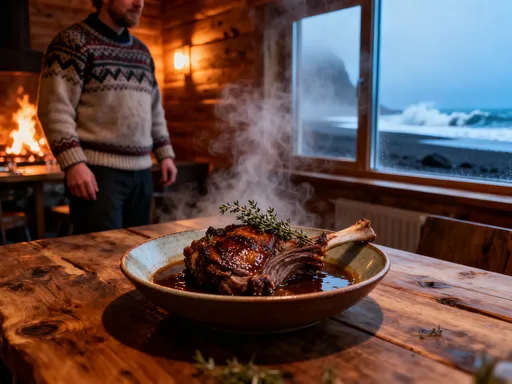
One essential dish is slow-cooked lamb shoulder with wild thyme and roasted root vegetables. This isn’t just a main course—it’s a tribute to Iceland’s pastoral heritage. The lamb is typically from a nearby farm, raised on open pastures and butchered in the fall. It’s braised for hours until the meat falls apart, then served with carrots, turnips, and potatoes grown in geothermal greenhouses. The wild thyme, foraged from the lava fields, adds an earthy aroma that ties the dish to the land. Eating it feels like participating in a centuries-old tradition of warmth and sustenance.
Another must-try is skyr cheesecake sweetened with birch syrup. While cheesecake might sound familiar, this version is distinctly Icelandic. The skyr, thick and tangy, is blended with a touch of cream and baked into a delicate custard. The birch syrup—dark, woody, and slightly smoky—is harvested by tapping birch trees in spring, a practice that’s recently seen a revival. The result is a dessert that’s light yet deeply flavored, a perfect balance of sweetness and acidity. It’s often served with a sprinkle of crushed hazelnuts or a spoonful of hand-picked berries.
Perhaps the most surprising dish is rye bread ice cream. Inspired by the traditional method of baking rye bread in hot springs, this dessert captures the essence of Icelandic ingenuity. The bread itself is slow-cooked underground for 24 hours, giving it a malty, almost caramelized flavor. Chefs blend it into a custard base, churn it into ice cream, and serve it with rhubarb compote or whipped cream. It’s rich, slightly sweet, and deeply comforting—a modern interpretation of a centuries-old technique.
And no meal is complete without a taste of fresh seafood. A simple plate of poached Arctic char, served with dill butter and new potatoes, highlights the purity of the ingredients. The fish is often caught the same morning, its delicate flesh glowing pink on the plate. A squeeze of lemon, a sprinkle of sea salt, and it’s perfection. These dishes don’t shout for attention—they invite you to listen, to savor, to understand.
Planning Your Culinary Visit: Practical Tips for Food-Focused Travelers
For travelers seeking an authentic taste of Iceland, Vik offers a rewarding—but particular—culinary experience. Because the village is small and its restaurants even smaller, planning ahead is essential. The best meals are often found in places with limited seating and no online reservation systems, so calling directly is recommended. Many kitchens operate on a seasonal schedule, opening only during the summer months or on specific nights of the week.
The ideal time to visit is during the shoulder seasons—late spring (May to early June) or early fall (September). These periods offer milder weather, fewer tourists, and the full range of seasonal ingredients. Summer brings the midnight sun, allowing for late dinners under glowing skies, while winter offers cozy, candlelit meals after a day of exploring snow-dusted landscapes. Regardless of season, come with flexibility and an open mind—menus change daily based on what’s available.
When packing, bring layers—Vik’s weather is unpredictable—and a sense of adventure. Don’t expect familiar flavors or standard portion sizes. Instead, embrace the unfamiliar: try fermented foods in small amounts, ask about the origin of your meal, and be willing to step outside your comfort zone. An empty stomach helps, but curiosity is the most important ingredient.
To enhance the experience, pair your meals with nearby natural wonders. A visit to Reynisfjara Beach, with its black sand and basalt columns, makes for a dramatic pre-dinner walk. Dyrhólaey Peninsula offers panoramic views of the coastline and nesting puffins in summer. Afterward, returning to a warm restaurant with a view of the ocean feels like coming home. Consider staying at a local guesthouse or farm Airbnb, where hosts often share homemade meals or breakfasts featuring skyr, fresh bread, and homemade jams.
And don’t rush. The beauty of dining in Vik lies in its pace. Meals unfold slowly, conversations linger, and time feels different. This isn’t fast food—it’s food that asks you to pause, to notice, to connect.
Beyond the Plate: How Food Connects You to Place
In Vik, a meal is never just about eating. It’s an invitation to understand a place more deeply—to taste its history, feel its resilience, and hear its stories. When you sit down to dinner here, you’re not just a tourist; you’re a guest in a community that has learned to thrive in one of the world’s most challenging environments.
Conversations with chefs often turn into lessons in geology, agriculture, or family history. A server might explain how their grandfather fished the same waters now supplying the evening’s langoustines. A cook might describe the réttir, the sheep roundup that defines the fall season. These moments transform a meal into a cultural exchange, where every bite carries context and meaning.
There’s also a quiet courage in Vik’s food culture—one born from necessity and sustained by pride. This is a place where self-reliance isn’t a trend, but a way of life. The ability to raise livestock, grow food in greenhouses, and preserve harvests isn’t romanticized; it’s essential. To eat here is to honor that resilience, to participate in a system that values sustainability, seasonality, and simplicity.
And in a world where so much food is mass-produced, standardized, and disconnected from its source, Vik offers a powerful alternative. It reminds us that the best meals are not just about flavor, but about connection—to the land, to the people who grow and cook our food, and to the stories that shape our world. Dining in Vik doesn’t just feed the body; it nourishes the soul.
In a world of predictable tourist menus, Vik delivers something rare: honest, inventive, and deeply rooted food. Each bite isn’t just a meal—it’s a connection to land, people, and quiet courage. Come for the waterfalls and cliffs, but stay for the table. That’s where Vik’s true magic unfolds.