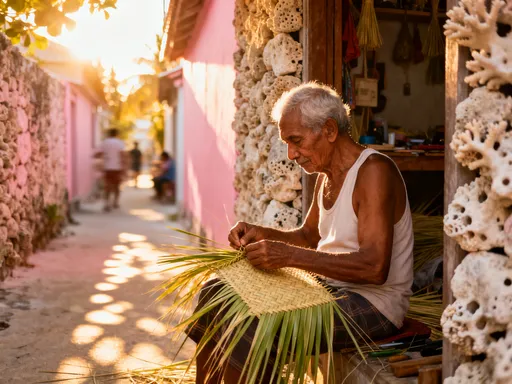
Tucked along Tunisia’s sun-kissed coast, Sousse is more than golden beaches and ancient medinas—its real magic sizzles on street corners. I didn’t expect to fall in love with a city through my taste buds, but here I did. From smoky brik stands to honey-drenched pastries sold at dawn, Sousse feeds your soul in ways guidebooks never warn you about. This is food culture at its most raw, real, and unforgettable. It’s not just what is served, but how it’s shared—with warmth, pride, and a rhythm shaped by generations. To walk through Sousse is to follow the scent of cumin and grilled fish, to hear the crackle of dough hitting hot griddles, and to witness a living culinary tradition that pulses at the heart of daily life.
The Heartbeat of Sousse: Food as Culture
In Sousse, food is far more than sustenance—it is memory, identity, and the quiet rhythm of everyday life. Meals are not rushed but honored, often beginning with a shared glass of sweet mint tea poured from a height to aerate its flavor. The kitchen is the heart of the home, where grandmothers pass down recipes by touch and instinct, not written instructions. Dishes like couscous, served every Friday without fail, are not just tradition but a weekly ritual that binds families together. This grain, steamed to fluffy perfection and topped with tender lamb or seasonal vegetables, is more than a meal—it’s a symbol of patience, care, and continuity.
Equally central is harissa, the fiery red chili paste that Tunisians consider a staple on every table. Made from sun-ripened peppers, garlic, olive oil, and spices, it’s often homemade and stored in jars like culinary heirlooms. Its presence on a plate signals authenticity and local pride. Dates, too, hold deep cultural meaning. Grown in nearby oases, they are eaten at breakfast, offered to guests, and used in both savory and sweet dishes. Their natural sweetness reflects the warmth of Tunisian hospitality.
The flavors of Sousse are shaped by centuries of crossroads history. Berber roots ground the cuisine in earthy grains and slow-cooked stews. Arab influences introduced spices like cumin, coriander, and cinnamon, while Mediterranean trade brought tomatoes, olives, and seafood into daily rotation. Each bite carries this layered past, not as a museum exhibit but as a living, evolving story. Even the way food is served—communally, from a shared dish—echoes values of generosity and connection. In a world that often eats in haste, Sousse reminds us that food is meant to be savored, shared, and celebrated.
Morning Bites: How Locals Start Their Day Right
The day in Sousse begins not with coffee, but with the scent of warm dough and simmering mint tea. By sunrise, neighborhood stalls are already active, their griddles sizzling with golden msemen—flaky, buttery flatbreads folded into squares and cooked until crisp. Vendors work with practiced hands, slapping dough onto hot surfaces, folding and re-rolling with a rhythm that speaks of years of repetition. These are often served with honey, olive oil, or a smear of date paste, turning breakfast into a moment of quiet indulgence.
Another morning favorite is the mloukhia pancake, made from jute leaves ground into a thick batter and fried into soft, green discs. Though less known internationally, it’s a beloved local staple, prized for its earthy flavor and nutritional value. Paired with a glass of warm milk or a cup of strong tea, it offers a comforting start to the day. In working-class neighborhoods, men gather at small cafés, sipping tea and debating politics between bites, while women carry steaming bags home for their families.
The early markets come alive with activity as vendors arrange baskets of fresh bread, wheels of local cheese, and jars of homemade preserves. One of the most cherished traditions is the grilled sandwich, known locally as a fricassé, though the morning version is milder than its spicier afternoon cousin. Stuffed with egg, tuna, or potatoes and toasted over an open flame, it’s wrapped in paper and handed over with a smile. These simple meals are not just about hunger—they mark the beginning of a day lived in rhythm with community, where food is both fuel and connection.
What makes these morning rituals special is their authenticity. Unlike tourist-oriented restaurants, these spots have no menus in English, no Instagrammable decor—just the honest, unpretentious food of daily life. To eat here is to be welcomed, not as a visitor, but as someone who respects the pace and flavor of local routine. The experience is not about luxury, but about belonging, even if only for a single meal.
Street Food Secrets: Where the Real Flavors Live
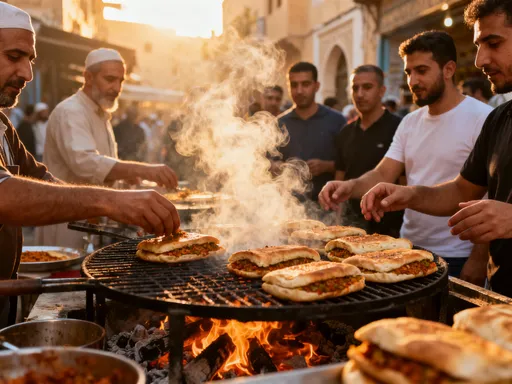
If Sousse has a pulse, it beats strongest in its street food scene. Here, flavor reigns supreme, served fast, fresh, and without fanfare. The city’s narrow alleys and bustling squares are lined with carts and stalls where smoke curls from grills and the air hums with sizzling fat and spice. This is where locals flock—not for spectacle, but for satisfaction. Street food in Sousse is not a trend; it’s a necessity, a tradition, and a testament to the city’s culinary soul.
One of the most iconic offerings is the fricassé, a sandwich that packs a punch. Stuffed into a hollowed-out roll are boiled potatoes, tuna, hard-boiled egg, capers, and a generous smear of harissa. It’s then pressed on a grill until the bread crisps and the fillings meld into a warm, spicy harmony. Eaten on the go, wrapped in newspaper, it’s a meal that fuels shopkeepers, students, and fishermen alike. Equally popular is ojja, a vibrant pepper and tomato stew often spiked with merguez sausage or poached eggs. Cooked in wide copper pans, it’s scooped up with crusty bread and shared from a single plate.
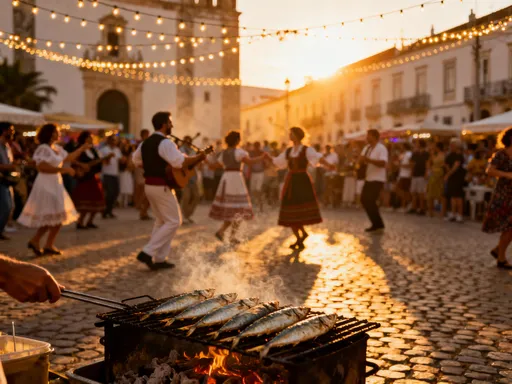
Along the seaside promenade and near the Great Mosque, clusters of vendors draw long lines, especially in the late afternoon. These are not random spots but institutions, often run by the same families for decades. Their locations are passed down like recipes—known to locals but rarely marked on maps. Grilled sardines, fresh from the morning catch, are another staple. Skewered and charred over open flames, they’re seasoned simply with lemon and cumin, letting the ocean flavor shine.
What defines this culture is its accessibility. A full meal can cost just a few dinars, making it possible for everyone to eat well. Speed matters, too—many workers have only a short break, so food must be ready fast. Yet, despite the pace, quality is never sacrificed. Ingredients are fresh, often sourced the same day, and cooking methods are honed by years of practice. This balance of affordability, flavor, and efficiency is what makes Sousse’s street food not just delicious, but deeply democratic. It’s food for the people, by the people, and it tells a story of resilience and resourcefulness with every bite.
The Medina’s Hidden Eateries: Beyond the Souvenirs
Wander beyond the souvenir shops and incense stalls of Sousse’s medina, and you’ll find a different world—one where food is still made by hand, in tiny kitchens hidden behind ancient archways. These are not restaurants in the modern sense. Many have no signs, no menus, and no chairs. Yet they are always full. Word of mouth guides both locals and the lucky few tourists who stumble upon them, drawn by the scent of baking bread or the sound of laughter from a crowded back room.
One such gem is a family-run bakery tucked in a quiet alley, where elderly women shape karantika—a deep-fried pastry filled with a mixture of mashed chickpeas, parsley, and spices. The dough is rolled thin, filled, sealed, and dropped into hot oil, emerging golden and crisp. They are sold warm, by the piece, wrapped in paper. Another hidden spot specializes in lamb tagine, slow-cooked with prunes, almonds, and a touch of cinnamon. Served in clay pots, the dish arrives steaming, its aroma filling the narrow courtyard where diners sit on low stools.
These eateries thrive on tradition, not trends. There is no attempt to modernize or cater to foreign tastes. The food is exactly as it has been for generations—simple, honest, and deeply flavorful. Some places open only in the afternoon, closing once the food runs out. Others operate out of homes, where a grandmother cooks for the neighborhood, taking orders by phone or word of mouth. To eat here is to be invited into a private world, one where hospitality is not a service, but a way of life.
Contrast this with the newer cafes that have sprung up in the medina, trying to capture the “authentic” experience with rustic decor and curated menus. While some are well-intentioned, they often miss the point. The magic of Sousse’s food culture lies not in presentation, but in presence—in the unspoken understanding between cook and customer, in the shared language of flavor and respect. The real treasures are not found on tourist maps, but in the quiet corners where food is still made with love, not for likes, but for life.
Seafood by the Shore: From Boat to Plate in Hours
Sousse’s location on the Mediterranean coast is more than scenic—it’s central to its cuisine. Every morning, before the sun climbs high, fishing boats return to the harbor, their decks lined with silver-scaled sardines, sea bream, and octopus still glistening with seawater. Within hours, much of this catch is on grills, in stews, or wrapped in paper for hungry customers. The journey from boat to plate is astonishingly short, ensuring a freshness that transforms even simple dishes into something extraordinary.
One of the most beloved seafood dishes is chakchouka de poisson, a rich stew of fish simmered in a sauce of tomatoes, peppers, onions, and spices. Unlike the egg-based chakchouka often eaten for breakfast, this version is heartier, designed to be shared with family at lunch. The fish, usually a firm white variety, absorbs the bold flavors of the sauce, while the broth is sopped up with chunks of crusty bread. It’s a dish that speaks of the sea and the soil in equal measure.
For a more direct experience, visitors can head to the seaside grills that line the corniche. Here, diners can select their fish from a display on ice, then watch as it’s scaled, gutted, and grilled over smoldering charcoal. The process is transparent, honest, and deeply satisfying. A whole sea bream, brushed with olive oil and lemon, takes on a smoky char that enhances its natural sweetness. Served with a side of salad and a wedge of lemon, it’s a meal that needs no embellishment.
Octopus is another favorite, often grilled slowly until tender, then sliced and drizzled with olive oil and parsley. Some vendors serve it with a spicy harissa dip, adding a kick that balances the mild flavor of the meat. These seaside spots are not fancy—many are little more than a counter and a few stools—but they offer some of the most authentic dining experiences in the city. The sound of waves, the smell of salt and smoke, and the sight of fishermen unloading their next catch all contribute to a meal that feels deeply connected to place and tradition.
Sweets That Tell Stories: A Journey Through Tunisian Desserts
No visit to Sousse is complete without indulging in its rich pastry culture, where every dessert carries a story, a season, or a celebration. These are not just treats—they are expressions of generosity, artistry, and heritage. Found in small maâṣṣa (pastry shops) tucked into residential streets, these sweets are often made in-house, their preparation a daily ritual passed from one generation to the next.
One of the most iconic is makroudh, a diamond-shaped pastry made from semolina dough, filled with a sweet date paste, then deep-fried and soaked in honey or orange blossom syrup. Crisp on the outside, soft within, it’s often dusted with powdered sugar and served with tea. The use of dates is no accident—they are a symbol of abundance and hospitality, often the first thing offered to a guest. During Ramadan, makroudh becomes a centerpiece of the iftar table, breaking the fast with sweetness and comfort.
Another favorite is zlabia, a lacy, deep-fried batter soaked in syrup and sometimes sprinkled with sesame seeds. Its intricate web-like shape is achieved by drizzling the batter in spirals into hot oil, requiring skill and precision. Watching a vendor make zlabia is like witnessing a performance—fast, fluid, and mesmerizing. Equally beloved is baklava, though the Tunisian version tends to be less sweet than its Middle Eastern cousins, with a lighter touch of syrup and a focus on nutty layers.
These desserts are more than just sugar and flour—they are tied to life’s milestones. Makroudh is often prepared for weddings, births, and religious holidays, symbolizing joy and blessing. Even the act of sharing them—offering a plate to neighbors or wrapping some to take home—is part of their meaning. In a world that often rushes through meals, Sousse’s sweets invite us to pause, to savor, and to remember that food is not just nourishment, but a language of love.
Eating Like a Local: Practical Tips for Food-Loving Travelers
To truly experience Sousse’s food culture, it helps to follow the rhythm of local life. Meals here are not rushed affairs but social events, often stretching over hours. Lunch, the main meal of the day, is typically eaten between 2 and 4 PM, when families gather and many shops close. This is the best time to visit family-run restaurants or hidden eateries, where the food is fresh and the atmosphere warm.
Breakfast, as mentioned, starts early, often before 8 AM. Head to neighborhood markets or local cafés for the most authentic morning bites. Avoid tourist-heavy zones if you want the real deal—instead, follow the crowds of locals. Look for stalls with long lines and minimal signage; these are usually the best indicators of quality and popularity.
When ordering, don’t be afraid to point or gesture. Many vendors speak limited English, but a smile and a nod go a long way. If you’re unsure, ask for what others are eating. It’s also respectful to use your right hand when eating, especially when sharing from a communal dish. Always say besaha (pronounced “beh-sah-ha”) before eating—it means “enjoy your meal” and is deeply appreciated.
During Ramadan, be mindful of local customs. While tourists are not expected to fast, it’s respectful not to eat, drink, or smoke in public during daylight hours. Many street food vendors close during the day, reopening just before sunset for iftar. This can be a beautiful time to visit, as the city comes alive at dusk with the sound of prayer and the smell of cooking filling the air.
Finally, come with curiosity and an open mind. Try the dishes that look unfamiliar. Ask questions. Let the vendors guide you. The best meals in Sousse are often the ones you didn’t plan for—the unexpected stop at a sardine grill, the shared fricassé with a local worker, the morning tea offered by a shopkeeper. These moments, built on food and kindness, are what make the city unforgettable.
Conclusion
Sousse doesn’t just serve food—it shares its soul. Every bite tells a story of resilience, fusion, and joy. To taste this city is to understand it, one humble, unforgettable meal at a time. Let your curiosity lead, and your palate will follow. From the first sip of mint tea to the last bite of honey-drenched makroudh, you’re not just eating—you’re connecting. With history, with people, with a way of life that values simplicity, generosity, and the sacred act of sharing a meal. In a world that often feels disconnected, Sousse reminds us that the most powerful experiences are often the simplest. So come hungry, come open-hearted, and let the streets feed not just your body, but your spirit.