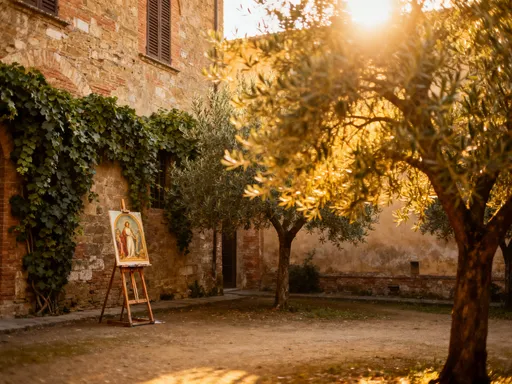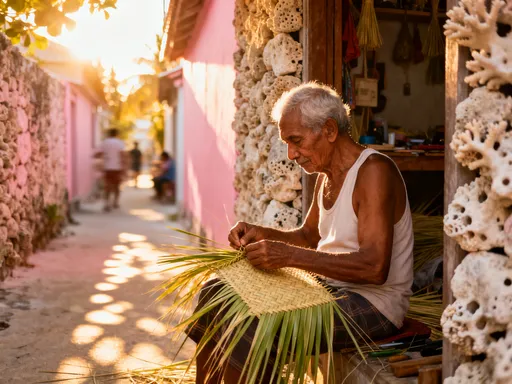
Georgetown, Guyana, is a city that hits you in the feels the moment you step off the plane—vibrant, raw, and alive with color. I didn’t expect to fall so hard for its colonial charm, bustling markets, and food that sings with Caribbean soul. But what really blew my mind? The photo spots where culture, light, and local cuisine collide. From spice-scented alleyways to sun-drenched plazas, every corner tells a story worth capturing. This is not a city that performs for cameras; it simply lives, and in doing so, offers some of the most authentic photographic moments in the Caribbean. For travelers who value both beauty and truth, Georgetown is a quiet revelation waiting to be framed.
First Impressions: A City Painted in Pastels and Rhythm
Georgetown greets visitors with an unexpected harmony of order and energy. Laid out in a grid pattern by British colonial planners, the city’s wide, tree-lined avenues contrast sharply with the lively chaos of street vendors, honking minibuses, and children chasing footballs through open parks. The architecture is a living museum of 19th-century Caribbean design—wooden, two-story buildings painted in soft blues, mint greens, and sun-bleached yellows, their louvered windows and gingerbread trim swaying gently in the tropical breeze. These structures, many over 150 years old, stand as quiet testaments to a layered history, where British, Dutch, African, and Indian influences blend into something uniquely Guyanese.
Among the most iconic backdrops are St. George’s Cathedral and the Guyana Parliament Building. The cathedral, one of the tallest wooden churches in the world, rises like a lacework spire above the city skyline. Its interior, cool and dimly lit, offers a moment of stillness, while the exterior, best photographed in the late afternoon, glows under golden-hour light that accentuates the grain of its hand-carved timber. The Parliament Building, originally constructed by the Dutch and later expanded by the British, features a clock tower and symmetrical façade that frame perfectly with the manicured Botanical Gardens in the foreground. Early morning visits offer soft, diffused light and fewer crowds, ideal for architectural photography.
What sets Georgetown apart from other Caribbean capitals is its unhurried pace. There is no rush to impress, no need to over-polish. This relaxed rhythm allows for candid street photography—children laughing on bicycles, elders reading newspapers under mango trees, women in colorful saris walking home from temple. The city does not pause for the lens; it simply continues, making every captured moment feel genuine. For photographers, this authenticity is gold. The interplay of historic structures and daily life creates a visual narrative that is both timeless and immediate.
The Heartbeat of the City: St. Lawrence Market at Dawn
If Georgetown has a pulse, it beats strongest in St. Lawrence Market during the early hours. Long before the sun climbs high, the market awakens with a symphony of chopping, calling, and clanging. Wooden stalls are loaded with pyramids of mangoes, coconuts, golden pineapples, and bundles of fresh cassava and eddo root. Butchers display slabs of goat and chicken, while fishmongers lay out silvery snapper and salted herring on crushed ice. The air is thick with the scent of nutmeg, cinnamon, and the earthy aroma of freshly dug yams. This is not a tourist performance—it is the real, working heart of the city’s food culture, and it is a photographer’s dream.
The natural light filtering through the market’s corrugated tin canopy creates a dappled effect, casting soft shadows that highlight textures—the rough peel of a green plantain, the glisten of dew on a bunch of red sorrel, the steam rising from a pot of simmering pepperpot, Guyana’s national dish. This slow-cooked stew, made with cassareep, meat, and spices, bubbles for hours in blackened pots, tended by women who have perfected the recipe over generations. Capturing the steam as it curls into the morning air adds motion and warmth to still images, turning a simple food scene into a story of heritage and care.
Photographers should arrive by 6:30 a.m. to witness the full setup and avoid midday heat and glare. Using a wide-angle lens allows for immersive shots that include both vendor and surroundings, while a prime lens with a wide aperture can isolate details—a weathered hand arranging chilies, a child sipping from a coconut. The key is to move slowly, respectfully. Many vendors welcome photos if asked with a smile and a brief conversation. This is not just about taking images; it’s about acknowledging the people who make the market thrive. When done with intention, the resulting photographs carry not just color and composition, but dignity and connection.
Street Food with a View: Where Flavors Meet Framing
In Georgetown, street food is not an afterthought—it is the soul of the city’s culinary identity. And some of the most photogenic moments happen where flavor and scenery intersect. Along the North Road, roti stalls operate from makeshift counters, their owners folding buttery, flaky flatbreads around curried chickpeas, potato, or chicken. The golden hue of turmeric-laced fillings contrasts vividly against the green of chutney made from fresh cilantro and green mango. When plated on banana leaves or served in brown paper bags, these dishes become natural still-life compositions, especially under the soft morning light.
One standout location is the cluster of fried dumpling vendors near Victoria Square. Here, women in bright headscarves stand over oil-filled woks, dropping dough into sizzling heat. The resulting puffs—golden, irregular, and fragrant—pile high in baskets. Behind them, the square’s fountain and shaded benches offer a colonial-era backdrop, creating a layered image where food, history, and daily life converge. The colors are irresistible: the red of pepper sauce, the yellow of turmeric, the deep brown of caramelized dough. These are not just meals; they are visual celebrations of Guyana’s agricultural abundance and culinary fusion.
For photographers, the challenge is to capture authenticity without intrusion. The best approach is to ask permission before shooting close-ups. A simple “May I take a photo?” often opens the door to conversation, and sometimes, a free sample. Using natural light is essential—flash disrupts the scene and flattens the rich textures of food. Shooting from slightly above can emphasize the arrangement of ingredients, while low angles can highlight the vendor’s hands in action. The goal is not just to document food, but to tell the story of the person behind it. When a photograph shows not just a roti, but the woman who made it, smiling in the morning sun, it becomes more than an image—it becomes a tribute.
Golden Hour Along the Seawall: Ocean Breezes and Coconut Vendors
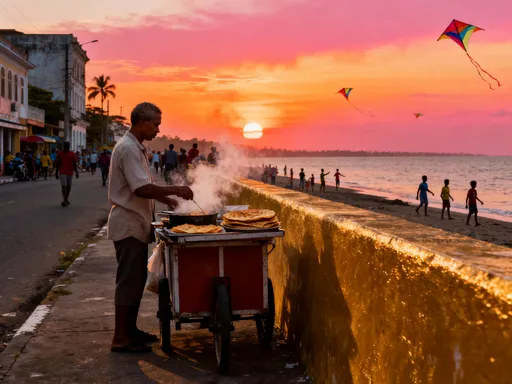
The Georgetown Seawall is more than a flood barrier—it is the city’s living room. Stretching over four kilometers along the Atlantic coast, this broad promenade is where families gather at dusk to walk, chat, and watch the sky ignite. As the sun dips below the horizon, the light turns molten, painting the waves in shades of amber and rose. Palm trees sway in silhouette, and the breeze carries the salty tang of the ocean, mingling with the sweet scent of roasting corn and fresh coconut water.
Along the wall, small vendors set up shop, selling everything from grilled fish to salted cod fritters and chilled coconuts hacked open with machetes. These stalls, often lit by flickering lanterns, become natural focal points in wide-angle shots. A vendor in a straw hat, pouring coconut water into a plastic cup as the sky blazes behind him, is a frame worth waiting for. The contrast between the darkening sea and the vibrant life on land creates a powerful visual tension—tranquility and energy, stillness and motion, all in one scene.
For photographers, timing is everything. Arrive at least 45 minutes before sunset to scout locations and set up. A tripod is useful for long-exposure shots of waves or light trails from passing bicycles. A polarizing filter can enhance the sky’s colors and reduce glare on water. But the most important tool is patience. The best moments unfold naturally—a child’s face lit by the last rays, a couple silhouetted against the water, a vendor closing shop as stars begin to appear. These are not staged; they are lived. And when captured with care, they convey not just beauty, but belonging.
Hidden Courtyards and Culinary Surprises in the Old Town
Beyond the main streets, Georgetown’s oldest neighborhoods hold secrets behind high wooden gates and flowering hedges. These are the private yards of heritage homes, where generations have preserved recipes and rituals often unseen by outsiders. In quiet corners of Werk-en-Rust or Queenstown, elderly women fry metemgee—a hearty dish of plantains, yams, and salted meat wrapped in banana leaf—over open fires. Others stir pots of black cake, a dense, rum-soaked dessert served during Christmas and weddings, its aroma filling the air like spiced memory.
Gaining access to these spaces requires trust. Knocking gently and introducing oneself with respect often leads to an invitation. Many residents are proud of their culinary traditions and happy to share, especially if the photographer shows genuine interest. These moments are not for voyeurism, but for intimate storytelling. A close-up of hands peeling cassava, a wide shot of a family gathered around a pot, a child tasting dough for the first time—these images carry emotional weight because they are rare and real.
Photographically, these settings offer soft, natural light filtered through trees and awnings. The textures are rich—weathered wood, clay pots, woven baskets, steam rising from stoves. Using a 50mm lens allows for both environmental context and detail. But more than gear, what matters is approach. Ask before shooting. Listen more than you speak. Let the moment unfold. The resulting images will not only be visually compelling but ethically grounded. They honor the people who keep these traditions alive, offering viewers a glimpse into a world that values patience, family, and flavor.
Cultural Crossroads: Festivals, Food, and Frame-Worthy Moments
Georgetown’s cultural calendar is a mosaic of traditions, and its festivals are among the most vibrant photo opportunities of the year. Mashramani, celebrated in February to mark Guyana’s republic status, transforms the city into a carnival of color. Streets fill with costumed dancers, steelpan bands, and floats adorned with flowers and mirrors. The air thrums with music, and the scent of festival food—bake and shark, sugar cake, and peanut puffs—drifts through the crowds. Parades move slowly, giving photographers time to capture expressions of joy, exhaustion, and pride on the faces of participants.
Equally rich is Phagwah, the Hindu festival of colors, when streets explode in clouds of pink, yellow, and green powder. Families gather in open fields, dancing, singing, and throwing gulal into the air. Food plays a central role—sweet roti, thandai, and mango chutney are shared freely. These moments are spontaneous and emotionally charged, offering photographers a chance to capture pure, unfiltered celebration. The colors are not just visual; they are symbolic—of renewal, unity, and gratitude.
What makes these festivals especially compelling is the way they reflect Guyana’s pluralism. Afro-Guyanese, Indo-Guyanese, and Indigenous communities coexist and collaborate, their traditions not in competition, but in conversation. A photograph of a drum player in African-inspired regalia dancing beside a woman in a sari is not just a striking image—it is a document of harmony. For photographers, the key is to move with the flow, to be present without dominating. Wide-angle lenses help capture the scale of celebration, while telephoto lenses can isolate quiet moments within the chaos—a child’s awestruck face, an elder smiling through the colors. These festivals are not just events; they are expressions of national identity, best told through the lens of food, music, and shared joy.
Photographing With Purpose: Telling Stories Beyond the Surface
In an age of instant sharing, it is easy to reduce travel photography to a checklist of pretty images. But in a place like Georgetown, where history, culture, and daily survival are so deeply intertwined, there is a greater responsibility. Every photograph carries weight—not just of composition and light, but of ethics and intention. To photograph people, especially in vulnerable or private moments, is to hold a piece of their story. It must be done with respect, consent, and humility.
Food-centered photography, in particular, offers a powerful way to honor local lives. A meal is never just sustenance; it is memory, identity, labor, and love. When a photographer captures a vendor selling roti at dawn, or a grandmother stirring pepperpot, they are not just documenting flavor—they are preserving heritage. These images can challenge stereotypes, counter invisibility, and invite viewers to see Georgetown not as a destination, but as a home.
The most memorable photographs from Georgetown are not those with perfect lighting or symmetry, but those that stir something deeper—a recognition of shared humanity. They show hands that have worked hard, smiles that have weathered storms, tables where stories are passed down. They remind us that beauty is not just in the scene, but in the soul behind it.
For travelers, the invitation is clear: come with curiosity, not just a camera. Taste the food, learn the names of the people you meet, listen to their stories. Let your photographs be an extension of your respect, not a replacement for it. In doing so, you do more than capture Georgetown—you connect with it. And in that connection, you find not just great images, but a deeper understanding of what it means to truly see.